

05th Dec to 09th Dec 2016
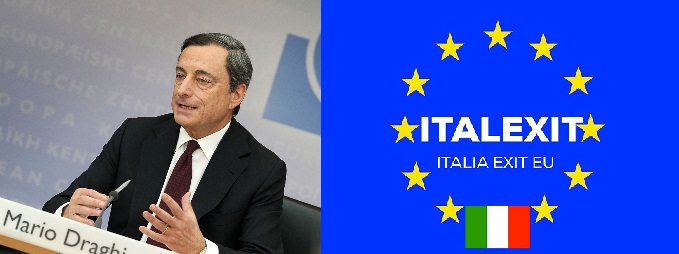
The start of trading on Monday is expected to be an exciting one for euro traders as the results of both the Italian referendum and the Austrian elections are set to come out. An Italian ‘no’ vote will not result in any immediate danger, but it could be a warning to investors that they should take populist forces in the Eurozone more seriously. Investors have already partly priced in some sort of negative political outcome in Italy by nearly doubling the country’s 10-year government funding cost in the past 4 months. One of the most important events this week will be a speech by Federal Reserve of New York President William Dudley on the macroeconomic outlook. This speech will be followed by speeches from regional Fed Presidents Evans and Bullard. The three speeches, will present a golden opportunity for the Federal Reserve to prepare the markets prior to the policy announcement of the December 13-14th meeting. This will mean added focus on the three Fed speakers – particularly Dudley who is a permanent voting member as New York Fed chief. The RBA is expected to keep interest rates at the record low of 1.5% when it meets on Tuesday, despite some mixed data on the country’s fixed investment and construction sector released recently. The chances of a rate cut next year are seen receding as well, as the economy appears to be doing a little better-than-expected overall. In terms of economic data, Australia will release its Gross Domestic Product report for its 3rd quarter. This report is expected to show that economic growth slowed down a little bit during the third quarter. Quarter-on-quarter Australia is expected to have grown by 0.3%, while it had expanded by 0.5% during the second quarter. Its annual growth rate should come in around 2.5%, which is relatively high for a developed economy. Thursday is the biggest day of the week in terms of major events that could influence the FOREX market. The ECB will meet on Thursday and it could decide to announce an extension to its QE program beyond March of next year. Given the rise in certain peripheral yields lately as well as inflation remaining well-contained (it rose to only 0.6% year-on-year during November), an extension of QE would probably be the most prudent decision for the European Central Bank to make. The eventful week will conclude with few reports coming from Switzerland and UK. To start off the day Swiss will release its unemployment rate, which is the number of unemployed workers divided by the total civilian labor force. To end the week, UK will release its consumer inflation expectation. This is a percentage that consumers expect the price of goods and services to change during the next 12 months.Monday
Next up will be Markit services PMI from Euro Zone. This is an important indicator of business conditions and the overall economic condition in Europe. In terms of data for the day, USA will release ISM Non-Manufacturing Index which shows the business conditions in the US non-manufacturing sector.
Tuesday
By midafternoon Euro zone will release its Gross Domestic Product report. This is a measure of the total value of all goods and services produced by the Eurozone. The GDP is considered as a broad measure of the Eurozone economic activity and health. The day will end with Factory order report from USA. This report is a measure of the total orders of durable and non-durable goods such as shipments (sales), inventories and orders at the manufacturing level which can offer insight into inflation and growth in the manufacturing sector.
Wednesday
By evening UK will release NIESR GDP Estimate, which is an estimate of growth over the last 3 months up to the report which comes out a month before the official announcement. The report is highly reliable and would influence the UK monetary policy. The day will end with Interest rate decision and rate statement from Bank of Canada, where it is expected that the Interest rate will be kept unchanged at 0.5%.
Thursday
As there will be a number of key elections in the Eurozone next year such as France, the Netherlands and Germany, signs that populist forces are gaining the upper hand could spook investors. This could add to the problems of the European Central Bank, which is using its asset purchase program to lower the funding costs of governments around the Eurozone.
Friday

